

When to Take Winter Tires Off (And When to Put Them On)
Learn when to switch from winter tires in Canadato stay safe and protect your investment. Our experts recommend removing them when temperatures rise to prevent premature tire wear. Experience peace of mind with warranty-approved service and honest advice from Master Mechanic.
In Ontario, the transition between seasons is rarely subtle. One day you’re navigating a late-season slush storm, and the next, you’re enjoying a warm April afternoon in a light jacket. Because the weather is so volatile, many drivers struggle to decide exactly when to take winter tires off in Ontario.
At Master Mechanic, we know being prepared for the road means more than simply getting through a blizzard. It’s about maintaining a safe, dependable connection with your vehicle year-round.
That’s why we’re here to break down all you need to know about when to swap your tires for safe driving, come rain or shine.
The Science of Safety: The 7°C Rule
To understand when to switch from winter tires, we have to look past the snow and focus on the thermometer. While many drivers wait for the Victoria Day long weekend, the real indicator for a tire swap is the temperature.
Why winter tires begin to fail in spring
A genuine winter tire is designed with a softer rubber compound that stays pliable in frigid temperatures. However, this same flexibility becomes a liability once temperatures rise above 7°C (45°F).
When the pavement warms up, the soft rubber on winter tires becomes too soft. This leads to:
- Rapid tread wear: The rubber effectively “greases” and wears down much faster than it would in cold weather.
- Reduced handling: On dry or rainy spring roads, the deep, flexible treads of a winter tire can feel “squishy,” compromising your vehicle’s steering precision and braking distance.
How all-season tires work
Regular all-season tires are designed to provide a quiet ride and superior grip in a variety of conditions, from mild spring rain to summer heat. Unlike winter tires, their rubber compound is engineered to remain stable and firm in warmer weather, ensuring better traction on wet and dry pavement.
How winter tires work
Beyond the rubber itself, winter tires feature unique tread patterns and deeper treads designed to push away slush and bite into deep snow. These tires also feature “sipes,” tiny slits in the tread blocks, that provide thousands of extra biting edges for better vehicle control on icy conditions.
Learn more: How Does Winter Driving Affect My Car?
When to Take Winter Tires Off: The Ideal Window
In Southern Ontario, the most reliable time to switch from winter tires is between early and mid-April. This ensures you aren’t caught in a late-March “surprise” snowfall, but also prevents you from burning through your winter tread during an early-April heatwave.
Because there is high seasonal demand during these months, we recommend booking your tire appointment for a changeover or swap in advance. Waiting too long can lead to unnecessary wear on your winter tires, shortening their lifespan by years.
| When to Remove Winter Tires |
|
Learn more: Master Mechanic: Changing Your Tires for Spring
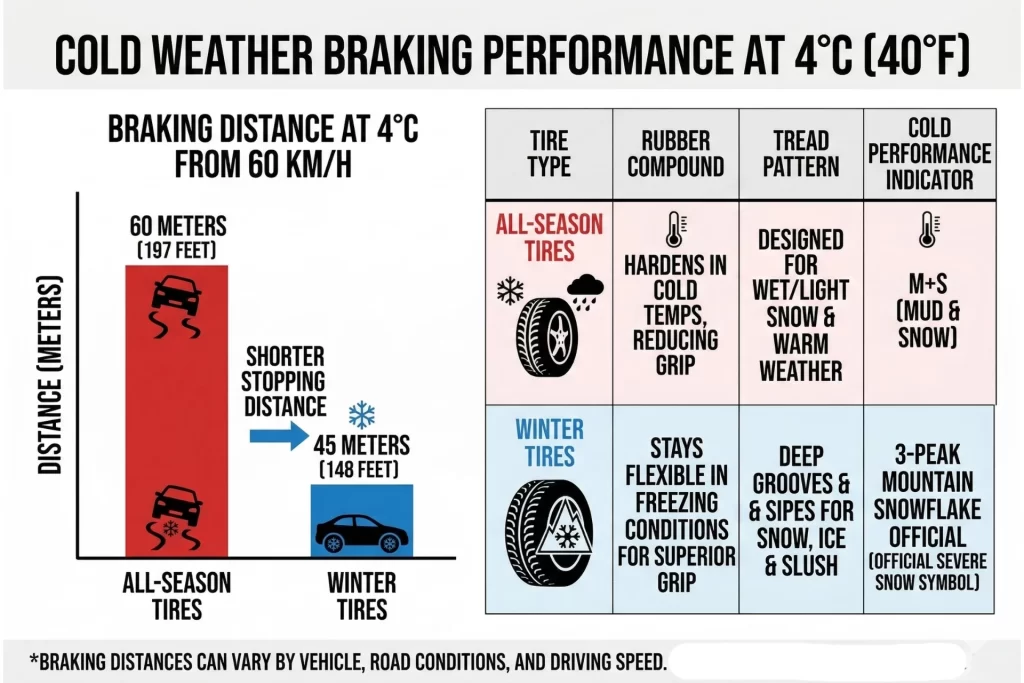
Image Source: Gemini 2026
Ontario Regulations and Regional Differences on Winter Tires
While the government does not mandate a specific “off” date, understanding regional rules helps you plan your swap.
Unlike Quebec or certain designated highways in British Columbia, there are currently no mandatory winter tire laws in Ontario for passenger vehicles. While the government does not mandate winter tires, they’re strongly recommended to help you drive safely and reduce the number of accident victims on our winter roads.
Studded Tires: Northern vs. Southern Ontario
While studded tires provide excellent grip on icy roads, they’re not always necessary for urban driving in Southern Ontario, where roads are frequently salted and cleared.
Ontario has strict deadlines for removing studded tires to prevent road surface damage as ice melts.
- Northern Ontario: Residents in districts such as Thunder Bay and Sudbury must remove studded tires by May 31. They are legal from September 1 to May 31.
- Southern Ontario: Studded tires are generally prohibited.
If you’re a Northern resident visiting the South in the spring, ensure you’re within your 30-day window before heading back to swap your studded tires out.
Can You Switch Just Two Tires? The “Four Tires” Rule
One question our technicians often hear is whether a client can switch just two tires to save time. The answer is a firm “no.” You should always switch all four tires.
Combining winter tires with all-season tires creates unsafe handling imbalances. If you have high-grip all-seasons on the front and soft winter tires on the back, your car may handle unpredictably during emergency maneuvers or heavy spring rain.
Having a matching set ensures predictable braking and steering.
Financial Incentives: Why It Pays to Be Prepared
Beyond safety, there are several key benefits to being proactive about your spring tire changeover.
- Extended tread life: Removing winter tires in the spring prevents the soft compound from wearing down in warm temperatures. This ensures they last for several more winters.
- Insurance continuity: While you get a discount for having them on in winter, ensuring your vehicle is properly equipped for the current season’s conditions is part of responsible driving.
- Protecting your warranty: At Master Mechanic, our services are warranty-approved. A professional spring swap includes a torque check and inspection that keeps your manufacturer’s warranty intact.
The Peak Mountain Snowflake Symbol: What to Look For
When you’re looking to switch from winter tires, it’s a great time to inspect your sets. To ensure you were truly protected (and are ready for next year), look for the peak mountain snowflake symbol on the tire’s sidewall.
This symbol indicates that the tire met specific performance criteria for severe snow set by Transport Canada. If your current “winter” tires lack this mark, they may not be providing the safety you need.
At Master Mechanic, our technicians can help you evaluate your current set or identify the best new tires for your driving habits.

Image Source: Wikimedia
Maintenance During the Changeover
When you switch from winter tires, it’s the perfect time for a health check.
Checking Tread Depth
A winter tire loses its ability to handle snow once the tread depth falls below 4mm (5/32”).
When we take them off, our technicians will check your tread and let you know whether they are safe to reinstall next November or if it’s time to shop for a new set.
Proper Tire Storage
How you store your winter tires will determine their lifespan:
- Clean them: Wash away road salt to prevent rubber degradation.
- Avoid sunlight: Store them in a cool, dark place; UV rays damage rubber.
- Store in a cool, dry place: A basement or climate-controlled garage is much better for the rubber than a hot, damp shed.
- Bagging: If possible, store each tire in a large, airtight plastic bag to prevent the rubber’s essential oils from evaporating.
- Position matters: If the tires are on rims, you can stack them or hang them. If they’re just the rubber (no rims), store them standing upright to avoid distorting the shape.
Most importantly, switching back to all-season tires or summer tires ensures you have the better traction needed for rain and heat.

Image Source: Master Mechanic
FAQs About When to Install Winter Tires
In Ontario, the best time to install winter tires is typically early November. Aim for when temperatures drop to 7°C consistently to ensure your softer rubber compound provides better traction before the first snow.
Yes. While all-season tires work well in light rain, they begin to lose grip below 7°C. Winter tires stay flexible in cold temperatures, offering superior traction and shorter braking distances in icy conditions.
The best time is typically early to mid-April, once temperatures stay consistently above 7°C. This protects the soft winter rubber from wearing out on warm pavement.
It is not recommended. Winter tires will wear out very quickly in heat and do not provide the same grip or fuel efficiency as all-season tires on warm, dry, or rain-slicked roads.
Most companies offer a 5% discount. Ensure you notify your provider when you’ve completed your seasonal swaps to keep your policy accurate.
Key Takeaways
- When to take winter tires off in Ontario is late March or April.
- Follow the 7°C rule: Switch winter tires as soon as temperatures consistently rise to 7°C to prevent them from becoming too soft.
- Ontario insurance savings: Most insurance companies offer discounts of up to 5% on insurance premiums when you have four winter tires professionally installed.
- Regional regulations: Studded tires are permitted for Northern Ontario residents from September 1 to May 31, but are generally prohibited in Southern Ontario.
- The power of four: Always install a complete set of four winter tires to maintain proper vehicle control and ensure consistent braking distances on icy roads.
The Master Mechanic Difference
At Master Mechanic, we aren’t just a repair shop; we’re your neighbours. With over 40 years in the business, we’ve helped Ontarians navigate every spring thaw.
When you come in to switch from winter tires, our technicians perform a safety check. We’ll look at your brakes, suspension, and fluids, components that often take a beating during a salt-heavy Ontario winter.
Ready to gear up for spring? Don’t wait for a heatwave to damage your winter tires.
- Book Your Appointment Today
- Find a Master Mechanic Location Near You
- Get a Free Quote on Four Winter Tires
We look forward to earning your trust and keeping you safe on the road this season.